
Adult flatfoot reconstruction surgery is a complex orthopedic procedure designed to correct the collapse of the foot arch caused by tendon failure. In Miami, patients often seek this intervention when conservative treatments fail to relieve pain or restore function. The surgery aims to realign the bones and stabilize the joint, allowing the foot to bear weight more comfortably. Understanding the procedure, candidacy, and recovery process is essential for setting realistic expectations.
Understanding Adult Acquired Flatfoot Deformity
Adult acquired flatfoot deformity, also known as progressive collapsing foot deformity, is a condition where the arch of the foot gradually collapses over time. This is distinct from congenital flat feet, which are present from birth and often painless. The collapse is primarily driven by the degeneration or tearing of the posterior tibial tendon, a critical structure that supports the arch. When this tendon weakens, the foot flattens, leading to pain on the inside of the ankle and difficulty walking.
The condition is often progressive. If left untreated, the flattening can lead to secondary arthritis in the ankle and midfoot joints. Patients may notice that their shoes wear out unevenly or that they develop pain in the knee, hip, or lower back due to altered gait mechanics. Early diagnosis is crucial, as the treatment options and surgical complexity vary significantly depending on the stage of the deformity.
Who Is a Candidate for Reconstruction?
Not every patient with a flat foot requires surgery. Candidates for reconstruction are typically adults who have persistent pain despite several months of conservative care, such as physical therapy, orthotics, and activity modification. The decision to operate depends on the severity of the deformity and the health of the joint cartilage. A surgeon will evaluate the flexibility of the foot and the extent of bone misalignment to determine the appropriate surgical plan.
At Ettore Vulcano, MD, the evaluation focuses on personalized care plans. Dr. Vulcano, an orthopedic foot and ankle surgeon with a focus on minimally invasive techniques, assesses whether the deformity is flexible or rigid. Flexible deformities may be corrected with tendon transfers and osteotomies, while rigid deformities may require more extensive joint fusion. The goal is to restore a functional, pain-free foot that allows the patient to return to daily activities.
The Surgical Procedure and Techniques
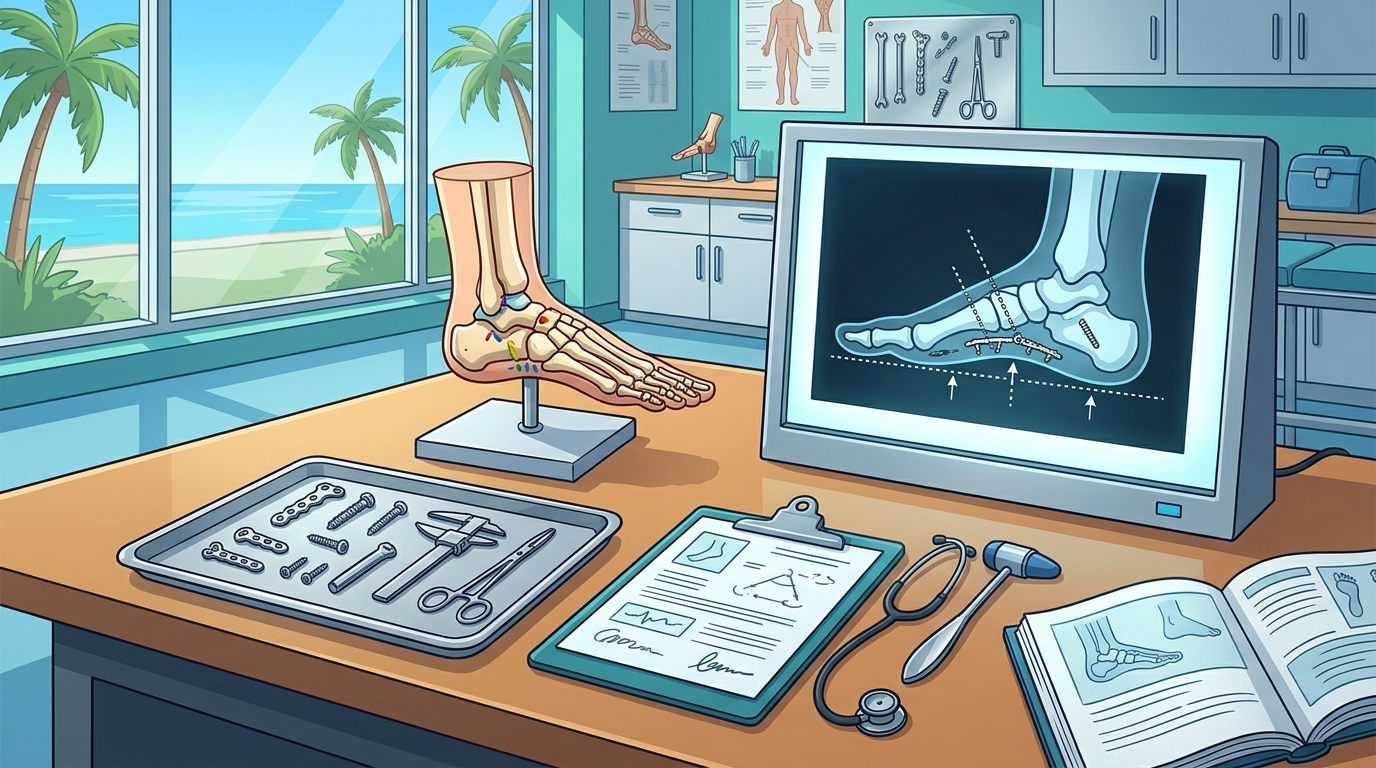
Flatfoot reconstruction is not a single procedure but a combination of techniques tailored to the patient's anatomy. Common components include tendon transfer, where a healthy tendon is moved to support the arch, and osteotomy, which involves cutting and realigning the bones. In more severe cases, arthrodesis, or joint fusion, may be performed to eliminate pain by fusing the affected joints. The choice of technique depends on the stage of the disease and the patient's activity goals.
Minimally invasive approaches are increasingly used in foot and ankle surgery to reduce soft tissue trauma. These techniques involve smaller incisions and specialized instruments, which can lead to less postoperative pain and faster initial healing. However, the complexity of flatfoot reconstruction means that the surgery is still a significant undertaking. The surgeon must carefully balance the correction of the deformity with the preservation of joint motion where possible.
Recovery and Rehabilitation Phases
Recovery from flatfoot reconstruction is a gradual process that typically spans several months. The initial phase involves protecting the foot in a cast or boot to allow the bones and tendons to heal. Patients are usually non-weight-bearing or limited in weight-bearing during this period. As healing progresses, the focus shifts to physical therapy, which includes range-of-motion exercises, strengthening, and gait training. The timeline for recovery varies by person and depends on the specific procedures performed.
It is important to adhere to the rehabilitation protocol to achieve the best long-term outcomes. Returning to activity too early can compromise the correction and lead to complications. Patients should discuss their specific recovery timeline with their surgeon, as individual factors such as age, overall health, and the extent of the surgery will influence the pace of healing. Patience and consistency are key to a successful recovery.
Key Takeaways
- Adult acquired flatfoot is a progressive condition caused by posterior tibial tendon failure.
- Surgery is considered when conservative treatments fail to relieve pain or restore function.
- Candidacy depends on the flexibility of the deformity and the health of the joint cartilage.
- Reconstruction involves a combination of tendon transfers, osteotomies, and possibly joint fusion.
- Minimally invasive techniques may reduce soft tissue trauma and postoperative pain.
- Recovery is a multi-month process requiring strict adherence to rehabilitation protocols.
- Personalized evaluation by an experienced foot and ankle surgeon is essential for planning.
Frequently Asked Questions
How long does recovery from flatfoot reconstruction take?
Recovery typically takes several months. The initial healing phase requires protection of the foot, followed by a gradual return to weight-bearing and physical therapy. Your surgeon will provide a specific timeline based on the procedures performed and your individual healing response.
Is flatfoot reconstruction surgery painful?
Like any major surgery, there is postoperative pain, which is managed with medication. Minimally invasive techniques may help reduce pain and swelling. The goal of the surgery is to relieve the chronic pain associated with the flatfoot deformity.
Can I walk immediately after surgery?
No, immediate walking is not allowed. You will likely be in a cast or boot and restricted from weight-bearing for a period of time to allow the bones and tendons to heal properly. Your surgeon will guide you on when it is safe to begin walking.
What are the risks of flatfoot reconstruction?
Risks include infection, nonunion (bone not healing), stiffness, and recurrence of the deformity. As with any surgery, there are general risks such as blood clots and anesthesia complications. Discussing these risks with your surgeon is an important part of the decision-making process.
Where can I find a flatfoot specialist in Miami?
Dr. Ettore Vulcano is an orthopedic foot and ankle surgeon in Miami who specializes in complex foot and ankle reconstruction. You can contact the office at (305) 674-2090 to schedule a consultation.
Next Steps for Patients in Miami
If you are experiencing persistent foot pain and have been diagnosed with adult acquired flatfoot, it is important to seek a specialized evaluation. A thorough assessment will help determine if you are a candidate for reconstruction and what specific procedures may be needed. At Ettore Vulcano, MD, the focus is on providing advanced, patient-centered care using minimally invasive techniques to restore mobility and reduce pain. To plan your visit, contact our team to schedule a consultation and discuss your treatment options.