
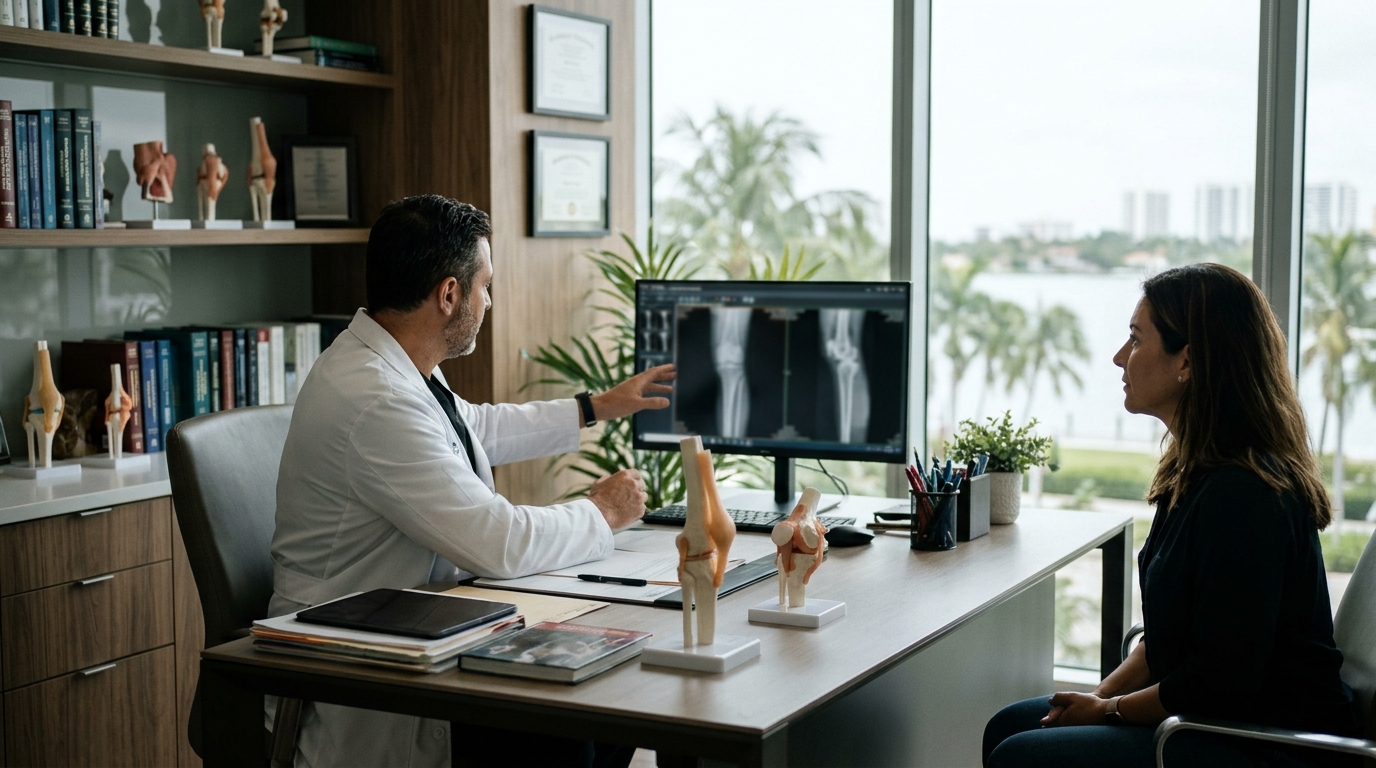
Choosing a surgeon for limb lengthening is a major decision that requires careful evaluation of specific surgical expertise and experience. While many orthopedic surgeons in Miami offer various procedures, limb lengthening is a specialized field that demands specific training and a deep understanding of bone biology. This guide outlines five critical factors to consider when assessing a provider for this complex procedure.
1. Specialized Fellowship Training in Limb Reconstruction
Look for surgeons who completed dedicated fellowships in limb lengthening and complex reconstruction. Limb lengthening is not a standard part of general orthopedic training. It requires advanced study in distraction osteogenesis, the biological process where new bone forms as a bone is slowly separated. Surgeons who have completed specific fellowships in this area, such as those at major reconstruction centers, possess the specialized knowledge needed to manage the unique challenges of this surgery.
2. Experience with Internal Lengthening Devices
Ask about the surgeon's proficiency with modern internal magnetic nails. Modern limb lengthening often utilizes fully implanted internal devices controlled by a remote magnet. These systems may offer greater comfort and may reduce certain infection risks compared to older external fixators. A surgeon's experience with these specific technologies is crucial, as the management of internal devices differs significantly from traditional methods. You should ask how often the surgeon performs these specific procedures to ensure they are comfortable with the technology.
3. Understanding of Distraction Osteogenesis Protocols
Ensure the surgeon can explain the gradual lengthening process and its biological basis. Distraction osteogenesis is a controlled process where the bone is separated at a rate of approximately 1 mm per day. This slow rate allows new bone to form in the gap while muscles, nerves, and skin adapt. A qualified surgeon will explain this process clearly, including the importance of consistent daily adjustments. They should also discuss how they monitor bone healing and adjust the protocol based on your individual response.
4. Comprehensive Rehabilitation and Follow-up Plan
Verify that the practice includes a structured physical therapy and rehabilitation program. Limb lengthening is as much about rehabilitation as it is about surgery. The recovery phase involves intensive physical therapy to maintain range of motion and strength in the lengthened limb. A comprehensive care plan should include regular follow-up appointments to monitor bone consolidation and device management. Ask about the duration of the rehabilitation process and what specific exercises are involved during the lengthening and consolidation phases.
5. Transparency on Costs and Insurance Coverage
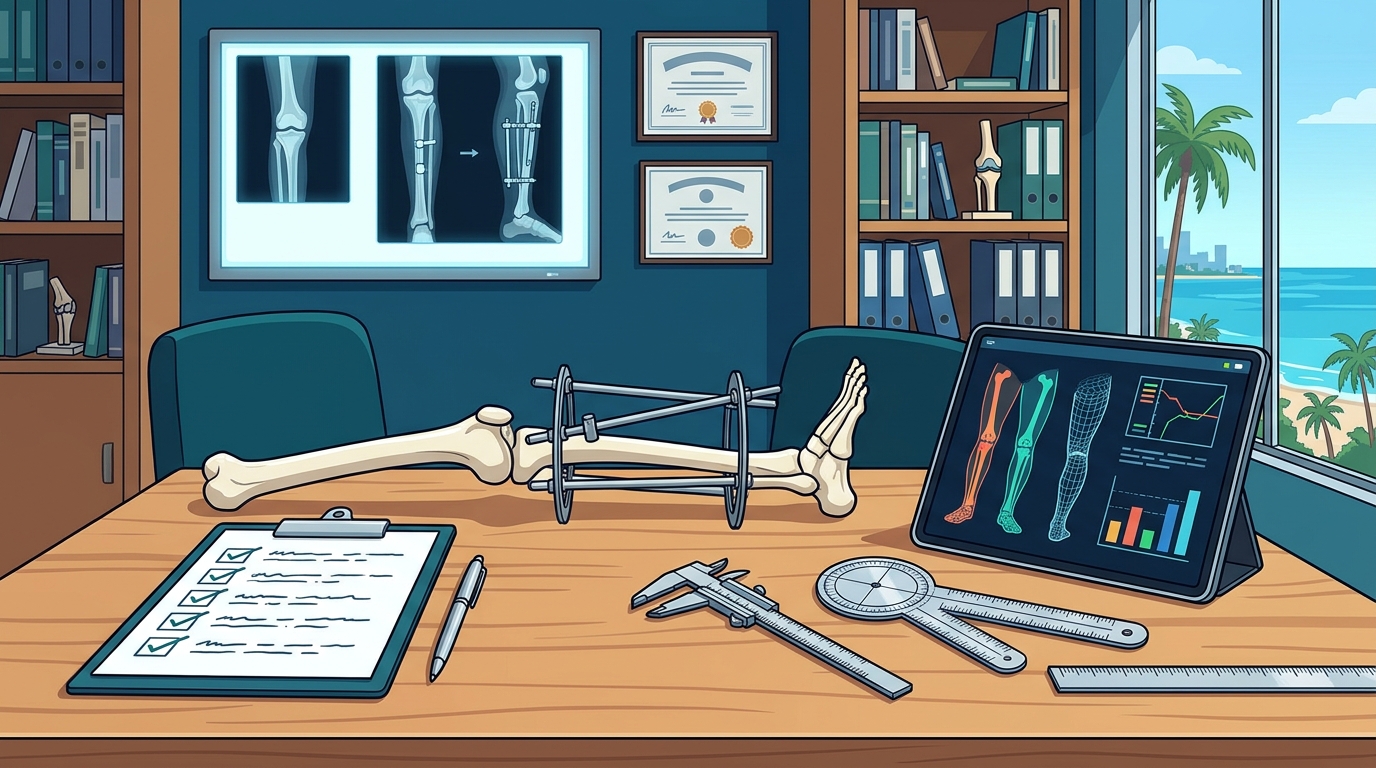
Request a detailed breakdown of costs and clarify insurance coverage for functional lengthening. Limb lengthening can be a significant financial investment. Costs vary based on the type of device used, the length of the hospital stay, and the duration of rehabilitation. Insurance coverage often depends on whether the procedure is deemed functional (to correct a leg length discrepancy) or cosmetic. A transparent surgeon will provide a clear estimate of what is covered and what is out-of-pocket, helping you plan financially before committing to the procedure.
Choosing the Right Surgeon
When evaluating surgeons in Miami, prioritize those who can demonstrate specific expertise in limb lengthening through fellowship training and consistent use of modern techniques. Dr. Ettore Vulcano, an orthopedic foot and ankle surgeon in Miami, specializes in limb lengthening and complex lower extremity reconstruction. He completed a fellowship in limb lengthening, realignment, and complex reconstruction at the Hospital for Special Surgery in New York. To discuss your specific case and determine if you are a candidate, you can contact our team to schedule a consultation.
Frequently Asked Questions
How long does limb lengthening surgery take to recover from?
Recovery from limb lengthening is a gradual process that typically takes several months. The lengthening phase involves daily adjustments, followed by a consolidation phase where the new bone hardens. Your surgeon will provide a specific timeline based on your anatomy and the amount of lengthening required.
Is limb lengthening surgery painful?
Patients often experience discomfort during the lengthening process, but this is usually manageable with pain medication. The use of internal devices can reduce some of the pain associated with external fixators. Your surgeon will discuss pain management strategies and what to expect during each phase of recovery.
Can I walk after limb lengthening surgery?
Most patients are able to bear weight and walk with the assistance of crutches or a walker immediately after surgery. As the bone lengthens, you will continue to walk, though your gait may change. Physical therapy will help you maintain mobility and strength throughout the process.
What are the risks of limb lengthening surgery?
Like any major surgery, limb lengthening carries risks such as infection, nerve damage, or bone non-union. However, modern techniques and careful monitoring have improved safety profiles. A surgeon with specialized training can help minimize these risks through precise planning and close follow-up.
Where is Dr. Vulcano's office located?
Dr. Ettore Vulcano's practice is located at 4302 Alton Road, Suite 220, Miami Beach, FL 33140. You can reach the office by phone at (305) 674-2090 to schedule an appointment or ask questions about limb lengthening.