
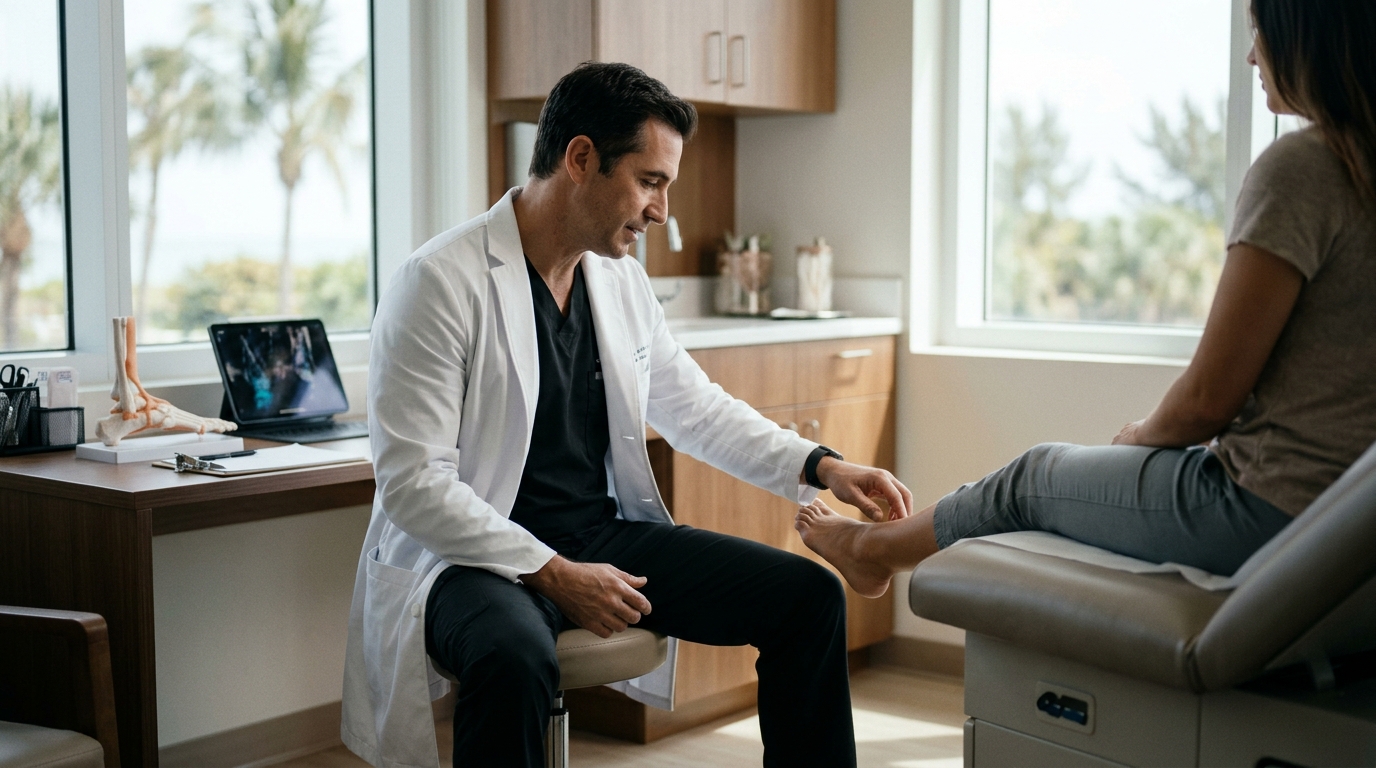
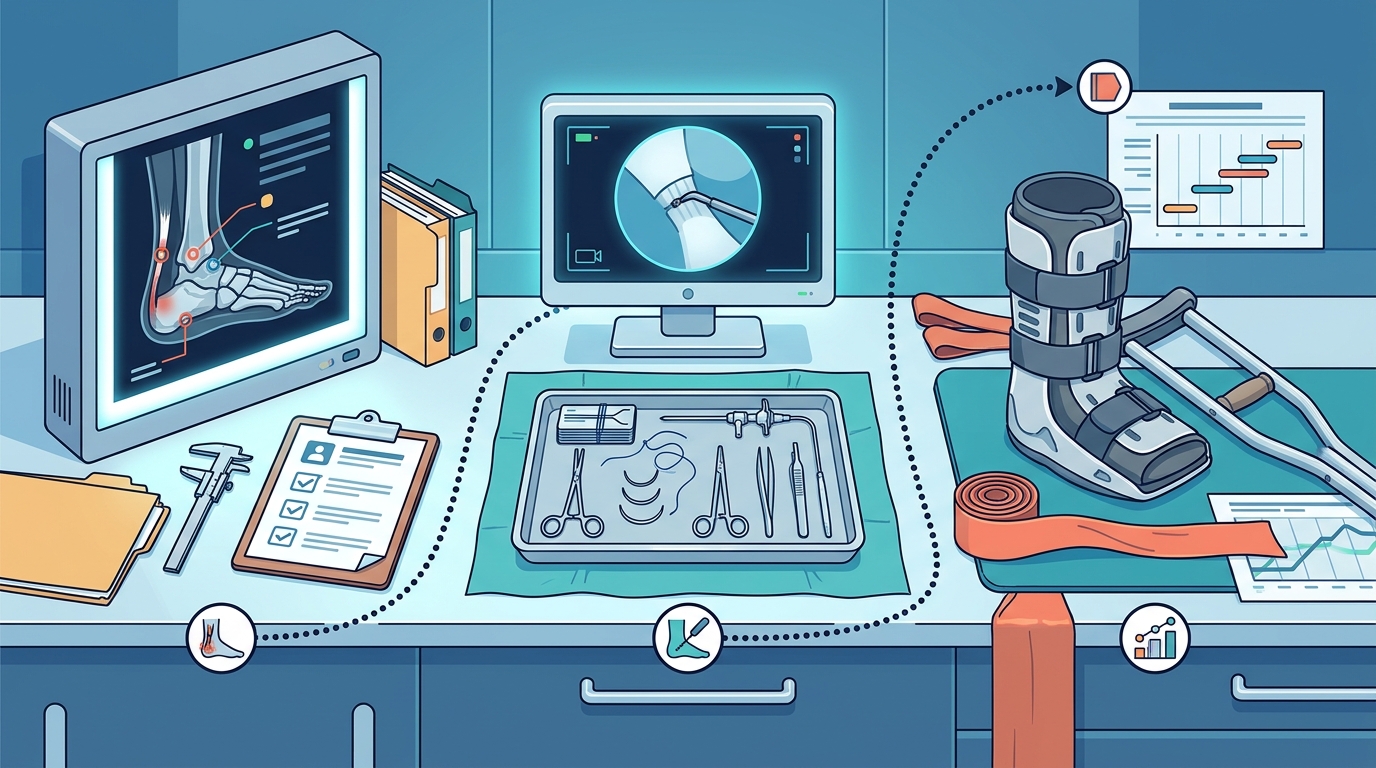
Achilles tendon rupture surgery is a procedure that repairs a torn tendon to restore strength and push-off power. The process involves pre-operative planning, a minimally invasive repair, and a structured rehabilitation phase. Each stage has a specific duration and purpose, ensuring the tendon heals at the correct length and tension. Understanding these steps helps patients prepare for their recovery journey in Miami.
Pre-Operative Preparation and Planning
The first stage occurs before the patient enters the operating room. This phase involves a thorough evaluation to confirm the diagnosis and plan the specific surgical approach. The surgeon will review imaging studies to assess the extent of the tear and the quality of the remaining tendon tissue. This step is critical because the condition of the tissue determines which repair technique is most appropriate for the individual patient.
During this period, the patient also completes necessary administrative and medical clearances. This includes discussing anesthesia options and managing any underlying health conditions that could affect healing. The goal is to ensure the patient is in the best possible physical state to undergo the procedure. Your surgeon will provide a personalized timeline for this preparation phase based on your specific health profile.
The Surgical Procedure: Minimally Invasive Repair
The core of the surgery is the repair of the torn tendon. Modern techniques often utilize a minimally invasive approach, which differs significantly from traditional open surgeries. Instead of a large incision, the surgeon uses a small entry point to access the tendon. This method aims to reduce soft tissue damage and lower the risk of wound healing problems, which are common in the back of the leg due to limited blood supply.
During the repair, the surgeon reapproximates the torn ends of the tendon and secures them with strong sutures. The objective is to restore the tendon to its original length and tension. If the tendon is too loose, the calf muscle may remain weak, affecting the patient's ability to walk or climb stairs. The surgeon may also address any associated issues, such as a bony prominence at the heel, to ensure a comprehensive repair. The duration of the surgery itself varies, but the focus remains on precision and secure fixation.
Immediate Post-Operative Care and Immobilization
Following the surgery, the patient enters the immediate post-operative phase. The foot and ankle are typically placed in a splint or a specialized boot to maintain the correct position while the tendon begins to heal. This immobilization is crucial because the repaired tendon is vulnerable during the initial healing period. Moving the ankle too early can stress the repair site and potentially lead to re-rupture.
Pain and swelling are common during this stage. The medical team will provide guidance on managing discomfort and monitoring the incision site for signs of infection. Patients are usually instructed to keep the leg elevated to reduce swelling. The length of this immobilization period is determined by the surgeon and depends on the stability of the repair. It is a critical window for biological healing to begin without mechanical disruption.
Rehabilitation and Gradual Weight Bearing
Rehabilitation is the longest and most variable stage of the recovery process. It begins with non-weight-bearing exercises and progresses to partial and then full weight-bearing activities. Physical therapy plays a central role in this phase, focusing on restoring range of motion, strengthening the calf muscles, and improving balance. The progression is gradual to protect the healing tendon while rebuilding function.
The timeline for rehabilitation varies significantly from person to person. Factors such as the severity of the initial tear, the patient's age, and their adherence to therapy all influence the pace of recovery. Some patients may return to light activities sooner, while others require a more extended period of careful conditioning. The surgeon will monitor progress through regular follow-up appointments to ensure the tendon is healing properly before advancing to higher-impact activities.
Long-Term Recovery and Return to Activity
The final stage involves a gradual return to normal daily activities and sports. This phase focuses on restoring full strength and endurance in the lower leg. Patients work with their physical therapist to perform functional exercises that mimic real-world movements, such as running or jumping. The goal is to ensure the tendon can handle the demands of the patient's lifestyle without pain or instability.
Complete recovery can take several months. The tendon continues to remodel and strengthen over time, even after the patient has returned to basic activities. Patience is essential during this stage, as rushing back to high-impact sports can increase the risk of re-injury. The surgeon will provide a clear plan for when it is safe to resume specific activities, ensuring a sustainable and safe return to full function.
Key Takeaways
- Achilles tendon rupture surgery aims to restore tendon length and tension to regain push-off power.
- Minimally invasive techniques are often used to reduce soft tissue damage and wound complications.
- Immediate post-operative care involves immobilization to protect the repair site during initial healing.
- Rehabilitation is a gradual process that progresses from non-weight-bearing to full weight-bearing activities.
- The timeline for each stage varies by individual, and the surgeon will provide a personalized plan.
- Long-term recovery focuses on restoring strength and endurance to prevent re-injury.
Frequently Asked Questions
How long does the surgery itself take?
The duration of the surgery varies depending on the complexity of the tear and the specific technique used. Your surgeon will provide an estimate based on your individual case during the pre-operative consultation.
Is the surgery always minimally invasive?
While minimally invasive techniques are common, the approach depends on the condition of the tendon and the patient's anatomy. The surgeon will determine the best method to ensure a secure repair.
How long do I need to wear a boot or cast?
The length of immobilization varies by person and depends on the stability of the repair. Your surgeon will outline a specific timeline for your case during the post-operative visit.
When can I start walking again?
Weight-bearing is introduced gradually as part of the rehabilitation process. The surgeon will guide you on when it is safe to begin walking with a boot and eventually without support.
What is the risk of the tendon tearing again?
Re-rupture is a potential risk, but it is minimized by following the rehabilitation protocol and avoiding premature return to high-impact activities. Adherence to the surgeon's instructions is key to a successful outcome.
Where is the surgery performed in Miami?
Dr. Ettore Vulcano performs these procedures at his practice located at 4302 Alton Road, Suite 220, Miami Beach, FL 33140. Patients can contact the office at (305) 674-2090 to schedule a consultation.
Consult with an Orthopedic Specialist in Miami
If you are experiencing symptoms of an Achilles tendon rupture, it is important to seek professional evaluation. Dr. Ettore Vulcano is an orthopedic foot and ankle surgeon with a focus on minimally invasive and arthroscopic techniques. He is the Chief of the Department of Orthopedics and Director of Foot and Ankle Surgery at Mount Sinai Medical Center and a Professor of Orthopedics at Florida International University and New York Medical College. To discuss your specific condition and treatment options, contact our team to schedule a consultation.